Programming · DevOps · containers
What is Docker?
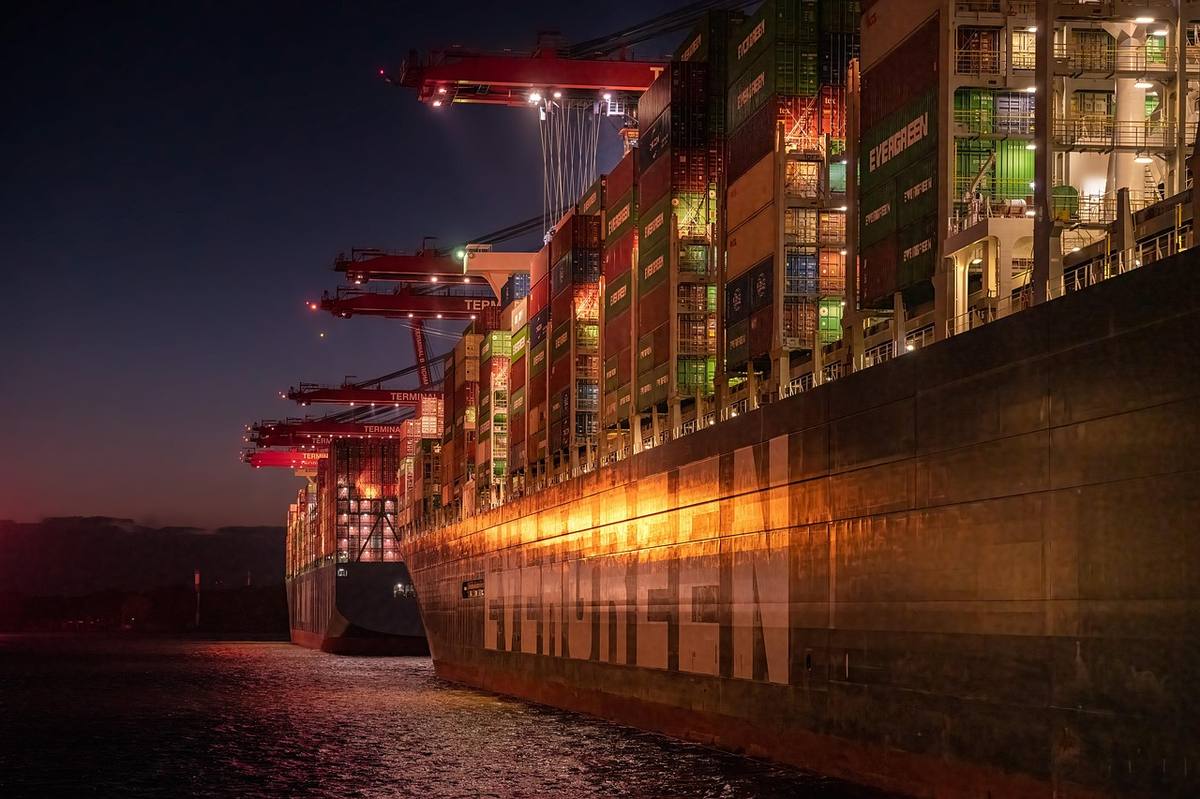
"It works on my machine" is one of the oldest jokes in software - and the problem Docker was built to kill. Docker packages an application together with everything it needs to run, so it behaves the same on a laptop, a teammate's machine, and a production server. This guide explains what Docker is, how containers differ from virtual machines, the concepts that matter, and where Docker sits next to tools like Kubernetes.
The short definition
Docker is a platform for building, sharing and running applications inside containers. A container bundles your code with its dependencies - libraries, runtime, configuration - into one isolated, portable unit. Because the container carries its own environment, it runs the same way wherever Docker is installed, removing the "works here but not there" class of bugs.
Containers vs virtual machines
Both isolate software, but at different levels. A virtual machine emulates a whole computer, including its own full operating system, on top of a hypervisor - powerful, but heavy: each VM is gigabytes in size and slow to boot. A container shares the host machine's operating-system kernel and only packages the app and its dependencies. The result is far lighter: containers are typically megabytes, start in seconds, and you can run many more of them on the same hardware.
The trade-off is isolation. VMs give stronger separation because each has its own OS; containers are more efficient but share the kernel, so isolation is good rather than absolute. Many real systems use both - containers running inside VMs in the cloud.

The key concepts
- Image - a read-only template that defines what's inside a container: the OS layers, your app and its dependencies. You build an image once and run many containers from it.
- Container - a running instance of an image. It's the live, isolated process; you can start, stop and delete it without affecting the image.
- Dockerfile - a plain-text recipe listing the steps to build an image (start from a base, copy your code, install dependencies, set the start command). It makes builds repeatable.
- Registry - a store for images. Docker Hub is the best-known public registry; teams also run private ones. You push images to share and pull them to run.
- Volume - storage that lives outside the container's lifecycle, so data survives when a container is replaced. Containers are disposable; volumes keep what must persist.
How a typical workflow looks
You write a Dockerfile, build it into an image, and run that image as a container. Locally you might run a single container; in production you push the image to a registry and run it on servers. Because the image is the same artifact everywhere, the app your teammates and your servers run is byte-for-byte the one you tested - which is the whole point.
Why Docker matters
It made consistent environments easy, and that unlocked a lot: reliable service-to-service deployments, fast onboarding (one command instead of a page of setup steps), and the foundation for CI/CD pipelines and microservices. Containers are now the default unit of deployment in modern infrastructure, which is why the surrounding ecosystem - registries, orchestration, cloud runtimes - all speaks "container".
Docker vs Kubernetes
They're often mentioned together but solve different problems. Docker builds and runs individual containers. Kubernetes is an orchestrator: it runs and coordinates many containers across many machines - scheduling them, restarting failed ones, scaling up and down, and networking them together. In short, Docker packages and runs a container; Kubernetes manages a fleet of them. You can use Docker without Kubernetes; Kubernetes runs containers that are built to the same standard Docker popularised. See our full guide to Kubernetes - and either way, your containers need somewhere to run, typically a VPS.
The honest trade-offs
Docker isn't free of cost. Containers share the host kernel, so they're not a hard security boundary the way a VM is - sensitive workloads may still want VM-level isolation. Stateful applications (databases, anything with important local data) need careful volume and backup design, since containers are meant to be disposable. And there's a learning curve: images, networking and volumes take time to internalise. For most teams, though, the consistency and speed are worth it.
FAQ
Is Docker a virtual machine? No. A VM emulates an entire computer with its own operating system; a Docker container shares the host's OS kernel and packages only the app and its dependencies, which makes it much lighter and faster to start.
Is Docker free? Docker Engine, the core technology, is open-source and free to use. Docker also offers paid plans for its Desktop app and services in larger organisations, but you can build and run containers without paying.
Do I need Docker to use Kubernetes? Not specifically Docker the product, but you do need containers. Kubernetes orchestrates containers built to open standards that Docker helped establish, so the skills transfer directly.
What is a Dockerfile? A plain-text file with the steps to build an image - which base to start from, what code to copy, what dependencies to install, and the command to run. It makes image builds repeatable and reviewable.
Containers are the unit deployments are built on; the apps inside them often expose an API and are written in an IDE. Browse more clear explainers in our guides index.
Frequently asked questions
What is Docker in simple terms?
Docker is a tool that packages an application together with everything it needs to run - code, libraries, runtime and configuration - into a single portable unit called a container. That container then runs the same way on any machine with Docker installed, so software behaves identically on a developer's laptop and on a production server.
What is the difference between a container and a virtual machine?
A virtual machine emulates a whole computer, including a full operating system, so it is large (gigabytes) and slow to boot but strongly isolated. A container shares the host operating system's kernel and bundles only the app and its dependencies, so it is small (megabytes), starts in seconds and is more efficient, with good but not absolute isolation. Many systems run containers inside VMs to combine both.
What is the difference between Docker and Kubernetes?
Docker builds and runs individual containers. Kubernetes is an orchestration system that runs and coordinates many containers across many machines - scheduling, scaling, restarting and networking them. Docker handles a single container; Kubernetes manages a fleet. They are complementary rather than competing.
Is Docker still used in 2026?
Yes. Containers are the standard unit of deployment in modern software, and the wider ecosystem - registries, CI/CD pipelines, cloud runtimes and orchestrators like Kubernetes - is built around the container model Docker popularised. The core Docker Engine remains open-source and widely used.
Related reading: Docker vs Podman · Gitea Docker Auth Bypass